
Nous sommes en janvier 2026. L'iPhone 17 vient de sortir, affichant des tarifs qui frôlent parfois l'indécence pour le commun des mortels. Naturellement, les regards se tournent vers les stars du marché reconditionné : l'iPhone 15 (sorti en 2023) et l'iPhone 16 (sorti en 2024).
À première vue, ces deux téléphones sont des jumeaux. Même taille, port USB-C pour les deux, présence de la "Dynamic Island"... La tentation est grande de se dire : "Pourquoi payer plus cher pour le 16 ?"
Pourtant, sous le capot, une fracture technologique s'est opérée entre ces deux générations. Une fracture invisible à l'œil nu, mais qui change tout à l'usage sous iOS 26 : l'Intelligence Artificielle et l'ergonomie.
Alors, l'iPhone 16 est-il une simple mise à jour paresseuse ou le téléphone indispensable pour les années à venir ? L'iPhone 15 est-il devenu obsolète ou reste-t-il l'affaire du siècle ?
En tant qu'experts qui démontons, réparons et reconditionnons ces appareils quotidiennement, nous avons une vision unique de leurs entrailles et de leur durabilité. Voici le comparatif le plus complet du web pour trancher définitivement.
1. Design et Ergonomie : La mort du commutateur
Commençons par ce que vous allez toucher 100 fois par jour.
L'iPhone 15 et l'iPhone 16 partagent le même châssis en aluminium aérospatial et le même dos en verre teinté dans la masse. La prise en main est identique : confortable, bords légèrement adoucis, taille idéale de 6,1 pouces.
Mais il y a deux différences physiques majeures qui trahissent leur génération.
L'arrivée du "Bouton Action" (iPhone 16)
L'iPhone 15 possède encore le légendaire commutateur "Silencieux/Sonnerie" sur la tranche gauche. Un petit interrupteur physique qu'on pousse. Simple, efficace, mais mono-tâche.
L'iPhone 16 a remplacé ce switch par le Bouton Action.
-
En 2026, ça change quoi ? Sous iOS 26, ce bouton est devenu un véritable couteau suisse. Vous pouvez le programmer pour lancer ChatGPT vocalement, allumer la torche, ouvrir votre Tesla ou lancer un raccourci complexe.
-
Le verdict : Une fois qu'on a goûté au Bouton Action, revenir au switch de l'iPhone 15 donne l'impression de revenir 5 ans en arrière. C'est un gain de productivité réel.
Le module photo vertical (Le détail "Spatial")
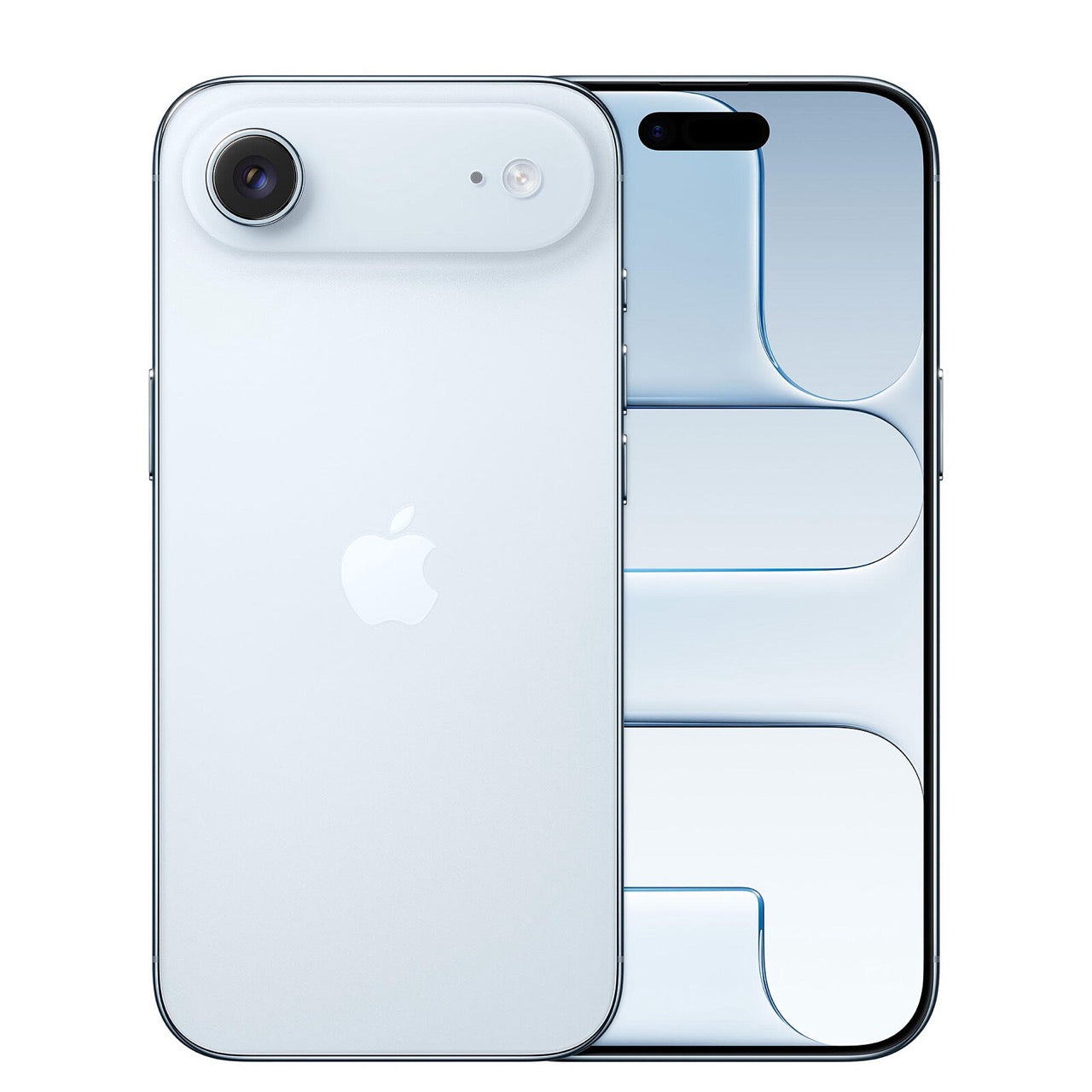
Regardez le dos.
-
iPhone 15 : Les deux lentilles sont en diagonale.
-
iPhone 16 : Les deux lentilles sont alignées verticalement.
Ce n'est pas juste esthétique. Cet alignement permet à l'iPhone 16 de capturer des "Vidéos Spatiales" (en 3D) pour le casque Apple Vision Pro. Si vous n'avez pas de casque à 3500 €, c'est anecdotique. Si vous êtes un fan de tech, c'est indispensable pour "capturer le futur".
L'avis de l'Atelier Lifone : Mécaniquement, le châssis de l'iPhone 16 dissipe un peu mieux la chaleur grâce à une nouvelle feuille de graphène interne. Si vous jouez beaucoup, le 16 chauffera moins dans les mains que le 15.
2. L'Écran : La déception commune
Il faut être honnête. En 2026, c'est le point noir de ces deux appareils.
Ni l'iPhone 15, ni l'iPhone 16 ne possèdent la technologie "ProMotion" (120 Hz). Ils sont tous les deux bloqués à un taux de rafraîchissement de 60 Hz.
Quand on navigue dans les menus ou qu'on fait défiler Instagram :
-
Si vous venez d'un vieil iPhone (11, 12), vous ne verrez pas de problème.
-
Si vous venez d'un iPhone 13 Pro ou 14 Pro, l'iPhone 15 et le 16 vous paraîtront "lents" ou saccadés.
Sur ce point, c'est un match nul. La qualité des couleurs (OLED Super Retina XDR) est sublime sur les deux, la luminosité monte à 2000 nits au soleil sur les deux. La Dynamic Island est identique.
3. Performance : Le gouffre de l'Intelligence Artificielle
C'est ICI que se joue votre décision d'achat pour 2026 et au-delà.
iPhone 15 : La puce A16 Bionic
L'iPhone 15 utilise la puce A16 (celle de l'iPhone 14 Pro). C'est une puce très puissante, capable de tout faire tourner. Mais elle a été conçue avant l'explosion de l'IA générative locale.
iPhone 16 : La puce A18 (Le saut quantique)
L'iPhone 16 a sauté une génération (pas de A17 standard) pour passer directement à l'A18.
Cette puce a été construite spécifiquement pour "Apple Intelligence".
-
La différence concrète : En 2026, iOS intègre des fonctions de résumé de mails, de retouche photo générative (effacer des objets complexes), et un Siri conversationnel intelligent.
-
Le problème du 15 : Sur l'iPhone 15, certaines de ces fonctions sont soit absentes, soit plus lentes (car elles doivent passer par le Cloud au lieu d'être traitées sur le téléphone). L'iPhone 16 les exécute instantanément, sans internet, grâce à son moteur neuronal dopé.
Le conseil expert : Si vous gardez votre téléphone 3 ou 4 ans, l'iPhone 16 vieillira beaucoup mieux logiciellement. L'iPhone 15 risque d'être privé des fonctions "cools" d'iOS 27 et 28 par manque de puissance IA.
4. Photo et Vidéo : Évolution ou Révolution ?
Sur le papier, les deux affichent un capteur principal de 48 Mégapixels.
Mais comme souvent chez Apple, le diable est dans le traitement logiciel (le "Computational Photography").
Le Zoom
Aucun des deux n'a de téléobjectif (réservé aux modèles Pro).
Ils utilisent tous les deux le capteur 48 Mpx pour faire un "Zoom x2" numérique de qualité optique. C'est très propre, mais c'est pareil sur le 15 et le 16.
La Macro
C'est la nouveauté de l'iPhone 16. Grâce à son nouvel ultra grand-angle, il est capable de faire de la Macro-photographie (photos très rapprochées de fleurs, d'insectes, de textures).
L'iPhone 15 en est incapable (la mise au point floute si on s'approche trop).
Le Bouton "Camera Control" (iPhone 16)
L'iPhone 16 a introduit un nouveau bouton tactile sur la tranche droite, dédié à la photo. Il permet de zoomer ou changer l'exposition en glissant le doigt, comme sur un vrai appareil photo.
-
Gadget ou pas ? Au début, on oublie de l'utiliser. Après un mois, on ne peut plus s'en passer. Il rend la prise de photo plus rapide et plus stable. L'iPhone 15 oblige à tout faire sur l'écran tactile.
Verdict Photo : L'iPhone 15 est excellent pour le "Point & Shoot" (je vise, je clique). L'iPhone 16 offre plus de créativité (Macro, Bouton dédié).
5. Autonomie et Connectique : La fin du Lightning
Bonne nouvelle : les deux sont en USB-C. Fini la galère des câbles. Vous pouvez charger votre Mac, votre iPad et votre iPhone avec le même câble.
Côté batterie, l'iPhone 16 profite de l'efficacité de la puce A18 et d'une batterie physiquement un peu plus dense (technologie de batterie empilée).
-
En pratique : L'iPhone 16 offre environ 1h30 à 2h d'autonomie en plus que l'iPhone 15 sur une journée active type "2026" (beaucoup de 5G, vidéo, IA).
Ce n'est pas le jour et la nuit, mais c'est ce qui permet de finir la soirée à 20% au lieu de tomber en rade à 19h.
6. Réparabilité et Prix des pièces (L'œil de Lifone)
C'est un critère qu'on oublie souvent avant l'achat, et qu'on regrette après la première chute.
-
iPhone 15 : Étant sur le marché depuis plus longtemps, les pièces d'origine (écrans, batteries) sont plus abondantes et légèrement moins chères. La réparabilité est excellente (l'ouverture se fait par l'arrière).
-
iPhone 16 : L'architecture interne est similaire, mais les pièces restent plus onéreuses en 2026 car le modèle est plus récent. De plus, le "Bouton Camera Control" ajoute une complexité en cas de remplacement du châssis.
Coût d'entretien : L'iPhone 15 vous coûtera moins cher à réparer en cas de pépin hors garantie.
7. Le Comparatif des Prix (Reconditionné 2026)
C'est le juge de paix. Voici les prix moyens constatés sur le marché du reconditionné de qualité (Grade A / Premium) en ce début d'année :
-
iPhone 15 (128 Go) : Environ 420 € - 480 €
-
iPhone 16 (128 Go) : Environ 600 € - 650 €
Il y a donc un écart moyen de 150 à 200 €. C'est une somme conséquente. Cela représente le prix d'une paire d'AirPods ou de 2 ans de protection AppleCare.
Synthèse : Le Tableau du Duel
| Caractéristique | iPhone 15 | iPhone 16 | Avantage |
| Puce / IA | A16 (IA limitée) | A18 (IA complète) | 🏆 iPhone 16 |
| Boutons | Switch Silencieux | Bouton Action + Caméra | 🏆 iPhone 16 |
| Photo | Standard | Standard + Macro | 🏆 iPhone 16 |
| Écran | 60 Hz | 60 Hz | 🤝 Match Nul |
| Autonomie | Bonne (20h vidéo) | Très Bonne (22h vidéo) | 🏆 iPhone 16 |
| Connectique | USB-C | USB-C | 🤝 Match Nul |
| Prix | Très Abordable | Investissement | 🏆 iPhone 15 |
Conclusion : Lequel choisir en 2026 ?
Au terme de cette analyse, deux profils se dessinent clairement.
Choisissez l'iPhone 15 si...
-
Le budget est votre priorité. Vous voulez un iPhone moderne (USB-C, Dynamic Island, 48 Mpx) mais vous ne voulez pas dépenser plus de 500 €.
-
Vous vous fichez de l'Intelligence Artificielle générative (vous utilisez votre téléphone pour Instagram, WhatsApp, Waze et les photos de vacances).
-
Vous préférez le commutateur silencieux physique simple.
-
C'est le choix de la Raison.
👉 [Voir les offres iPhone 15 Lifone]
Choisissez l'iPhone 16 si...
-
Vous voulez être "Future-Proof". Vous gardez vos téléphones 4 ou 5 ans. La puce A18 et les 8 Go de RAM du 16 sont nécessaires pour supporter les futures versions d'iOS et d'IA.
-
Vous êtes créatif (Mode Macro, Bouton Caméra, Vidéo Spatiale).
-
Vous aimez personnaliser votre téléphone (Bouton Action).
-
L'autonomie est un critère critique pour vous.
-
C'est le choix de la Longévité.
👉 [Voir les offres iPhone 16 Lifone]
Le mot de la fin :
L'écart de 200 € est justifié cette année, bien plus que les années précédentes. L'iPhone 16 n'est pas juste un 15 "S", c'est la porte d'entrée vers l'ère de l'IA Apple. Si vous pouvez vous le permettre, faites l'effort pour le 16. Sinon, le 15 reste un compagnon extraordinairement fiable.

Meilleur iPhone Reconditionné 2026 : Le Guide Complet par Profil
iPhone 15 Pro vs iPhone 16 : Le match des 600 € (Lequel choisir en 2026 ?)