
This is the classic dilemma that will tear buyers apart in 2026. You have a budget of around €600 to €650.
On one side, you have the iPhone 15 Pro: the former flagship of 2023, with its premium materials and its "Pro" label.
On the other hand, you have the iPhone 16: the "standard" model released in 2024, one year newer, with the latest AI innovations.
In the refurbished market, they are now neck and neck in terms of price.
Should we prioritize the old "High-End" or the new "Mid-End"?
The answer isn't so simple. While the iPhone 16 has youth on its side, the iPhone 15 Pro holds a secret weapon that, for many, makes going back impossible.
Here is the technical and field comparison to help you make the right choice.
1. The Screen: The technical knockout in the first round
Let's start with the most striking difference. This is often the deciding factor that tips the scales towards the Pro model, even an older one.
-
iPhone 16: Like the iPhone 15 before it, it remains stuck at a 60Hz refresh rate. In 2026, when most €300 Android screens are 120Hz, this is a noticeable technological limitation. Text scrolling is slightly jerky, and animations are less fluid.
-
iPhone 15 Pro: It features ProMotion technology (120 Hz) . The screen refreshes the image twice as fast. Everything is smooth, instantaneous, fluid.
The Lifone Test: If you put the two phones side by side and scroll through a web page, the iPhone 15 Pro gives a much faster impression, even though the iPhone 16's processor is technically newer.

2. Design and Ergonomics: Titanium vs. Aluminum + Camera Button
This is where the philosophies clash.
-
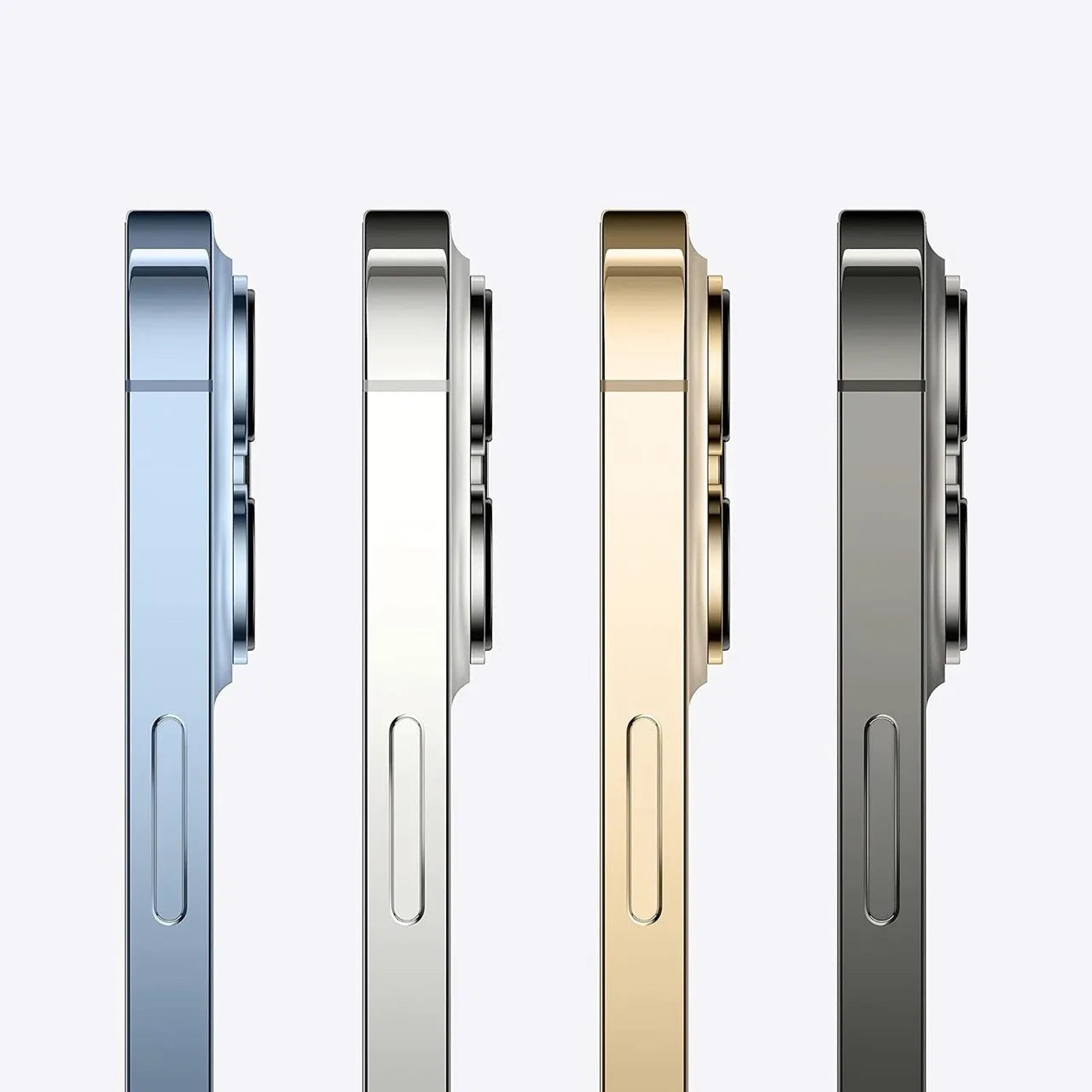
iPhone 15 Pro (The Luxury): It's made of titanium . This is a more refined metal, warmer to the touch, and above all, lighter than the steel of previous models. It has a "jewelry-like" look with its matte brushed edges. It features the Action Button .
-
iPhone 16 (The Modern One): It's made of aluminum . It's less "chic," but very robust. Its main advantage is the addition of "Camera Control" : this new touch button on the right edge that allows you to zoom or take a photo without touching the screen.
Ergonomics Verdict:
If you're a photographer, the 16's button is a real plus. If you value finish and elegance, the 15 Pro in Titanium remains a cut above.

3. Power and AI: The A17 Pro vs A18 Chip Showdown
By 2026, raw power is no longer just used to launch games, it is used to run Apple Intelligence .
-
iPhone 15 Pro (A17 Pro chip): This was the first "Pro" chip built on a 3-nanometer process. It's extremely powerful, especially for gaming (with ray tracing). It's fully compatible with the AI features of iOS 26.
-
iPhone 16 (A18 chip): This is a newer, thermally optimized chip. It heats up slightly less than the A17 Pro during long sessions.
Is it noticeable?
Honestly? No. In everyday use, both phones are lightning fast. There's no noticeable difference in app launch speed. The iPhone 16 might get an extra year of iOS updates (until 2030 versus 2029 for the 15 Pro), but that's it.
4. Photo: Optical Zoom vs. Versatility
This is the second breaking point after the screen.
-
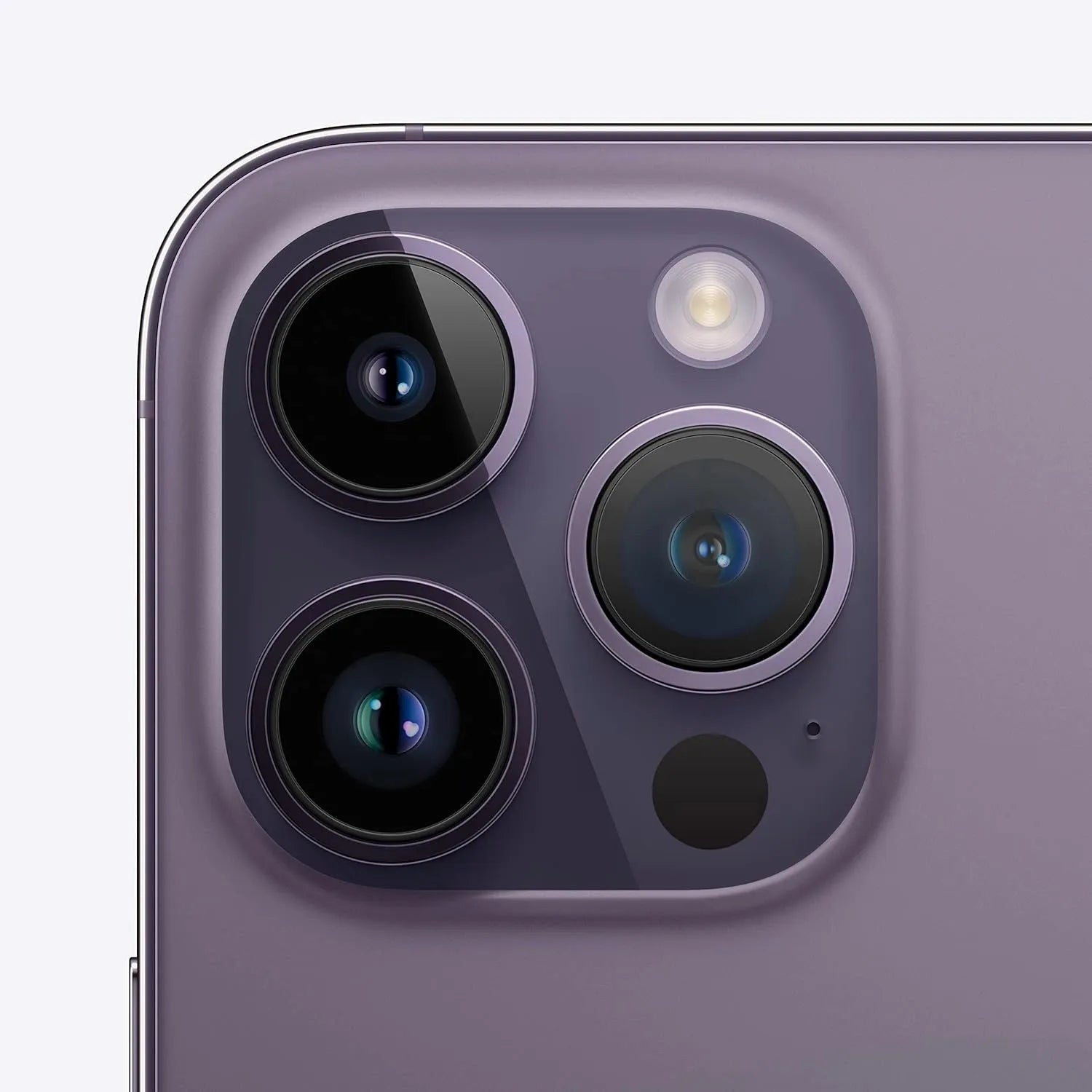
iPhone 15 Pro (Portrait Expert): It has three lenses . The third is a 3x optical telephoto lens . This means you can zoom in on a face from 3 meters away without losing any quality. The portrait results are stunning, with a natural background blur.
-
iPhone 16 (The Macro Expert): It only has two lenses . To zoom, it digitally crops the image using its main sensor (2x zoom). This is good, but less precise than the optical zoom of the Pro. However, the iPhone 16 now supports macro photography (very close-up shots), which the standard 15 didn't (but the 15 Pro does too!).
Photo Winner: The iPhone 15 Pro.
Having a true 3x optical zoom is a much more useful advantage on a daily basis (concerts, animals, portraits) than the small software innovations of the 16. In addition, the 15 Pro has LiDAR, useful for ultra-fast focusing in low light.

5. Autonomy: The revenge of the iPhone 16
This is the historical weak point of small-sized (6.1-inch) "Pro" models.
The iPhone 15 Pro has decent battery life, but if you use it a lot (120 Hz + 5G), it may struggle to last the evening.
The iPhone 16, lacking the power-hungry 120Hz display and equipped with a more efficient A18 chip, fares better. It generally offers 1.5 to 2 hours more active use than the 15 Pro.
If you're the type to live far from an outlet, 16 is more reassuring.
Summary Table: The Duel 2026
| Characteristic | iPhone 15 Pro (2023) | iPhone 16 (2024) | Winner |
| Screen | 120 Hz (ProMotion) | 60 Hz | 🏆 15 Pro (Large) |
| Materials | Titanium | Aluminum | 🏆 15 Pro |
| Photo | 3 Sensors (3x Zoom) | 2 Sensors (Macro) | 🏆 15 Pro |
| Buttons | Action | Action + Camera Control | 🏆 iPhone 16 |
| Autonomy | Average | Good | 🏆 iPhone 16 |
| AI / Chip | A17 Pro (Top) | A18 (Top) | 🤝 Equality |
Conclusion: Which one should you buy with your €600?
Lifone's verdict is final.
Buy the iPhone 15 Pro if:
-
You want the best visual experience (120Hz is addictive).
-
You take a lot of portrait photos or photos of distant subjects (Zoom x3).
-
You like premium items (Titanium).
This is the "accessible luxury" option. Objectively, it's the better of the two phones technically.
Buy the iPhone 16 if:
-
Autonomy is your number one criterion.
-
You want the newest phone possible for future resale.
-
You love the new "Camera Control" button.
It's the choice of "Tranquility".
Our expert advice: At the same price, the iPhone 15 Pro offers more for your money . The lack of a 120Hz screen on the iPhone 16 is hard to justify in 2026 for a device at this price point.
Ready to choose your side?
👉 [ See our iPhone 15 Pro Titanium (Grade A)]
👉 [ See our iPhone 16 (Recent stock) ]

iPhone 15 vs iPhone 16: The ultimate comparison to help you choose in 2026
Which refurbished iPhone is the most reliable? (2026 ranking)